
Your New Puppy First Vet Visit: When to Book and What to Bring
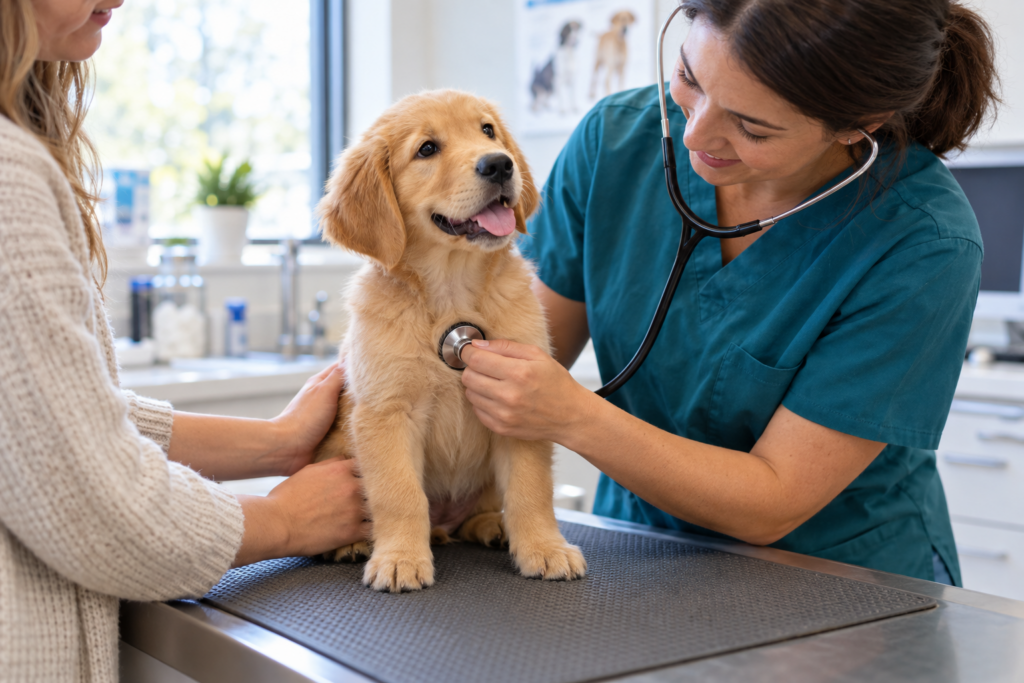
Your new puppy first vet visit is a chance to check their health, review any care they have already received, and make a plan for the months ahead. You do not need to know every answer before you arrive. Bringing the records you have and a short list of questions is enough to get started.
Here is when to arrange the visit, what to bring, and what you can expect.
When Should You Book Your Puppy First Vet Visit?
Contact a veterinary clinic as soon as you know when your puppy is coming home. Tell them your puppy’s age, expected arrival date, and any vaccines or treatments listed in their records. The clinic can recommend an appointment date based on that information.
Aim to have your new puppy examined promptly after they come home, especially if you do not have complete health records. Check your adoption or breeder paperwork too: it may contain a time limit for an initial veterinary examination. Puppies commonly begin veterinary visits around six to eight weeks of age, but a puppy who has already seen a veterinarian still needs you to establish care and plan their next visits. vcahospitals.com
Do not wait for a routine appointment if your puppy appears ill. Call a veterinarian promptly if they have repeated vomiting or diarrhea, seem unusually weak, refuse food, have trouble breathing, or show another concerning change. Tell the clinic about symptoms before bringing your puppy into the waiting room so staff can advise you where to go. Vomiting and diarrhea can have many causes, including serious infections in young puppies. avma.org
What Should You Bring? A First-Visit Checklist
Gather what you can; it is fine if some information is missing. Let the clinic know what you do and do not have.
-
- Health and vaccination records. Bring paperwork from the breeder, rescue, shelter, or previous veterinarian, including vaccine dates and products if listed.
- Deworming and parasite-prevention records. Include product names and dates if available.
- A list of medications or supplements. Note the product, amount, and when it was last given.
- Food information. Bring the food name or a photo of its label, plus an idea of how much and how often your puppy eats.
- Your questions and observations. Write down concerns about appetite, stool, sleep, coughing, itching, behavior, or anything else you have noticed.
- Adoption or purchase paperwork. Bring any relevant health guarantees or required examination deadlines.
- A secure carrier or properly fitted restraint for travel.
- A leash, waste bags, and a few familiar treats, if treats agree with your puppy and the clinic says they are appropriate.
- A stool sample, if the clinic requests one. Call ahead to ask whether they want a sample and how to collect and transport it.
Previous immunizations, parasite treatments, medications, and medical concerns are particularly useful for the veterinary team. Your clinic may also recommend testing a stool sample for intestinal parasites. vcahospitals.com
Do not withhold food or water before the visit unless the clinic specifically tells you to. If you are unsure whether your puppy should eat beforehand, ask when you book.
What Happens at a Puppy First Vet Visit?
The team will usually ask about your puppy’s background, diet, behavior, and any symptoms you have noticed. The veterinarian will perform a physical examination and review the records you brought.
The exam may include checking your puppy’s weight and body condition, eyes, ears, mouth, skin, heart, lungs, abdomen, and movement. The precise exam and any tests depend on your puppy’s age, history, and health. aaha.org
Your veterinarian may then discuss:
-
-
- Which vaccines your puppy has received and what comes next
- Deworming, stool testing, and parasite prevention
- Feeding, growth, and body condition
- Safe socialization and outings
- Microchipping and identification
- Training, behavior, and handling
- When to schedule the next appointment
-
A vaccine record showing that your puppy received one dose does not necessarily mean their puppy series is complete. Your veterinarian will review the dates and make an individual plan. The Canadian Veterinary Medical Association recommends choosing vaccine protocols as part of a veterinarian-supervised preventive care plan tailored to the animal. CVMA
Questions to Ask Your Veterinarian
You do not need to ask every question below. Pick the ones that matter most for your puppy and keep the list on your phone.
Vaccines and future visits
-
-
- Which vaccines has my puppy already received?
- What vaccines do you recommend next, and when?
- When should I book the next appointment?
- Which vaccines or preventive treatments depend on our location and lifestyle?
-
Parasites and everyday health
-
-
- Does my puppy need a stool test or deworming?
- What flea, tick, and other parasite prevention is appropriate here?
- What symptoms mean I should call the clinic right away?
- What number should I call for care when your clinic is closed?
-
Feeding and growth
-
-
- Is this food appropriate for my puppy’s age and expected adult size?
- How much should I feed, and how should I adjust portions as they grow?
- How should I change foods if I decide to switch?
- How many treats can I use during training?
-
Outings, behavior, and care
-
-
- Which socialization activities are appropriate for my puppy right now?
- Where can my puppy safely walk or meet other dogs at this stage?
- Are there any behavior concerns I should address early?
- When should we discuss microchipping, dental care, grooming, and spaying or neutering?
-
These are starting points for an individual discussion, not a universal care schedule.
How to Make the Visit Easier on Your Puppy
The clinic will be new: unfamiliar smells, people, sounds, and handling may all happen in a short time. A little preparation helps.
Before leaving home, allow a potty opportunity and bring a familiar item if it is safe and easy to carry. Leave enough travel time that you are not rushing.
At the clinic, keep your puppy securely contained or close to you. Ask staff whether your puppy should wait in the car until a room is ready, particularly if they are not fully vaccinated or the waiting area is crowded. Follow the clinic’s directions rather than allowing greetings with unfamiliar dogs.
During the exam, tell the team if your puppy seems frightened. Ask whether you can offer treats or take a momentary break. Gentle handling and gradual, positive experiences can help make future visits easier. AAHA
If you are planning other introductions outside the home, the upcoming Puppy Socialization Checklist can help you think beyond dog greetings.
What Should You Do After the Visit?
Before you leave, make sure you understand:
-
-
- What your puppy received today, including vaccines or medications.
- What to watch for afterward and when to call the clinic.
- What to give at home, including the product, amount, and timing.
- When the next visit is due.
-
Keep the updated records somewhere you can find them. They may be needed for future veterinary visits, puppy classes, boarding, travel, or insurance claims.
If you are considering pet insurance, review the policy terms and timing carefully. An insurer may ask for health records, and coverage rules vary. You can discuss your puppy’s health history with the veterinarian, then compare policies separately.
Planning for Future Vet Bills
Your puppy’s first vet visit is also a good time to think about how you would pay for unexpected illnesses or injuries.
Puppy insurance may help with eligible veterinary expenses, but coverage depends on the policy’s exclusions, waiting periods, deductible, and limits. Routine checkups and vaccinations usually require separate wellness benefits or payment from your own budget.
Before choosing a plan, read our Puppy Insurance: What It Covers and How to Choose a Plan guide to understand the main terms and questions to ask.
Keep copies of your puppy’s examination notes, vaccination records, and invoices. These can be useful when applying for coverage or submitting a claim.
Have a Puppy-Care Question Between Vet Visits?
Your puppy’s regular veterinary clinic is a good starting point for follow-up questions. Keep its phone number and after-hours instructions handy. If you would like another source of guidance for a non-urgent question, you can also explore an online veterinarian question-and-answer service.
Affiliate disclosure: We may earn a commission if you purchase through the link below.
Ask a Veterinarian on JustAnswer
JustAnswer offers an online veterinarian question-and-answer service. It is an option to explore when you have questions about your puppy’s everyday care or would like help understanding what to discuss with your regular veterinarian.
Before starting, review the current pricing, any membership or recurring-payment terms, cancellation details, and availability for your location.
Keep your puppy’s in-person appointments. Online advice does not replace a physical examination, vaccinations, testing, or emergency veterinary treatment. If your puppy appears ill or has any of the concerning symptoms described earlier in this article, contact a local veterinarian promptly rather than waiting for an online response.
Frequently Asked Questions
What if I do not have my puppy’s vaccination records?
Book the appointment anyway. Tell the clinic that the records are missing and try to request them from the breeder, shelter, rescue, or previous veterinarian. Do not guess at vaccine dates. Your veterinarian can advise on the next steps based on what can be verified.
Should I bring a stool sample?
Ask the clinic when you book. They may want a fresh sample to check for intestinal parasites and can explain the best way to collect and store it. If your puppy has diarrhea, mention that when you call rather than waiting for the scheduled visit.
Does a healthy-looking puppy still need an appointment?
Yes. A puppy can look well while still needing a physical exam, a review of previous care, and a plan for vaccines, parasite prevention, nutrition, and future visits.
Can I ask about training at a vet appointment?
Absolutely. Mention concerns such as extreme fear, difficulty settling, or behavior that seems unusual. Your veterinarian can check for health factors and suggest appropriate training or behavior support. AAHA includes development and socialization among the topics commonly discussed during puppy wellness care. aaha.org
Keep the First Visit Simple
Book early, bring the records you have, and write down your most important questions. The first appointment begins an ongoing relationship with a veterinary team that can adapt advice as your puppy grows.
For the rest of your preparation, see Everything You Need for Your New Puppy’s First Weeks at Home. You can also get the free Everything You Need for Your Puppy’s First Weeks at Home Checklist through Puppy Starter Plan.