
Puppy Schedule by Age: A Practical Daily Routine From 8 Weeks to 1 Year
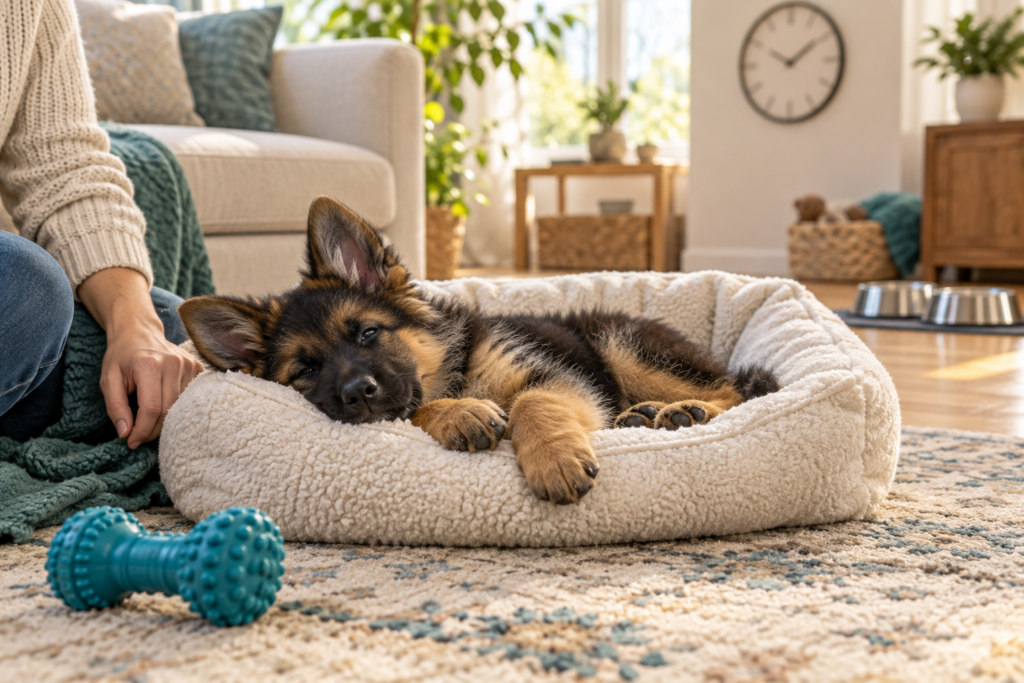
Bringing home a puppy can make your entire day feel different.
Your puppy needs meals, potty breaks, naps, play, training, socialization and plenty of supervision. At first, it can seem like everything needs to happen at once.
A simple daily routine makes puppy life much easier.
The exact schedule will vary based on your puppy’s age, breed, size, health and personality, but the examples below can give you a practical starting point.
Why Puppies Do Better With a Routine
Puppies don’t need every day to happen at exactly the same minute.
What helps most is having a predictable pattern.
For example:
Wake up → potty → breakfast → potty → play → nap
When your puppy starts recognizing that pattern, everyday life becomes easier to understand.
A consistent routine can help with:
- Potty training
- Sleep
- Feeding
- Training
- Settling down
- Preventing overtiredness
- Reducing unwanted chewing and biting
Young puppies especially need a lot more sleep than many new owners expect.
8 to 10 Weeks Old
At this age, your puppy is still very young.
Expect frequent potty trips, short periods of activity and lots of naps.
Typical Daily Needs
Your puppy may need:
- 3 to 4 meals each day
- Potty trips very frequently while awake
- Potty trips after sleeping, eating, drinking and playing
- Several short play periods
- Very short training sessions
- Frequent naps
- Gentle exposure to new sights, sounds and experiences
Example 8-Week Puppy Schedule
6:30 a.m. Wake up and potty
6:45 a.m. Breakfast
7:00 a.m. Potty
7:15 a.m. Short play and training
8:00 a.m. Nap
9:30 a.m. Potty and short activity
10:00 a.m. Nap
11:30 a.m. Potty and meal
12:00 p.m. Gentle play
12:30 p.m. Nap
Continue alternating potty breaks, activity and naps throughout the day.
Evening should gradually become calmer, followed by a final potty trip before bedtime.
Young puppies may still need overnight potty trips.
10 to 12 Weeks Old
Your puppy may begin staying awake a little longer, but don’t rush into keeping them active all day.
Overtired puppies often become more:
- Bitey
- Wild
- Frustrated
- Difficult to settle
- Destructive
Continue building predictable potty and nap routines.
Training can remain short, often just a few minutes at a time.
Useful early skills include:
- Name recognition
- Come
- Sit
- Touch
- Drop it
- Leave it
- Calm handling
3 to 4 Months Old
Your puppy may now be able to go slightly longer between potty breaks and stay awake for longer stretches.
A typical pattern might look like:
Morning: Potty → breakfast → potty → play/training → nap
Midday: Potty → meal → enrichment → nap
Afternoon: Potty → play → short training → nap
Evening: Meal → potty → family time → calm activity → final potty → bed
This is also a good time to continue carefully building positive experiences with:
- Different people
- Household sounds
- Grooming
- Car rides
- Handling
- Safe environments
- Other appropriate dogs
4 to 6 Months Old
Many puppies begin becoming more independent during this stage.
They may be able to stay awake longer and require fewer daytime meals, depending on veterinary feeding guidance.
Your routine may include:
- Morning potty
- Breakfast
- Walk or play
- Short training
- Rest
- Midday potty and activity
- Enrichment
- Afternoon rest
- Dinner
- Evening exercise or play
- Calm time
- Final potty
- Bed
Don’t eliminate naps just because your puppy seems energetic.
Many behavior problems later in the day come from a puppy who simply hasn’t rested enough.
6 to 9 Months Old
Welcome to adolescence.
Your puppy may suddenly seem to forget things they already learned.
This doesn’t necessarily mean training has failed.
Adolescent dogs often become more distracted, energetic and interested in their surroundings.
Keep your schedule consistent and continue rewarding the behaviors you want.
Your daily routine can now include longer periods of:
- Walking
- Training
- Enrichment
- Independent play
- Rest
- Family activities
However, exercise should still be appropriate for your puppy’s age, breed and physical development.
9 to 12 Months Old
By this stage, the day may begin looking more like an adult dog’s routine.
For example:
Morning
Potty
Breakfast
Walk or play
Short training
Rest
Midday
Potty
Exercise or enrichment
Rest
Evening
Dinner
Walk, play or training
Family time
Calm enrichment
Final potty
Bed
Some larger breeds continue developing well beyond one year, so don’t assume every 12-month-old dog is physically or emotionally mature.
A Puppy Schedule Should Include Mental Exercise Too
Exercise doesn’t only mean walking or running.
Mental activity can tire puppies out in a much calmer way.
Try activities such as:
- Food puzzles
- Sniffing games
- Find-the-treat games
- Short training sessions
- Lick mats
- Appropriate chew activities
- Simple problem-solving games
For more ideas, see our Puppy Brain Games guide.
Your Schedule Doesn’t Have to Be Perfect
Your puppy won’t follow the clock perfectly every day.
That’s okay.
Focus more on creating predictable routines than rigid times.
If your puppy understands what generally happens next, daily life becomes easier for both of you.
Start With the Basics
If you’re preparing to bring home a puppy, our free Puppy Starter Checklist can help you organize supplies, routines, feeding, training, grooming and other first-week essentials.